Live Free or Die
Why New Hampshire — Free Staters are Taking Over the State
Liberty must be built
New Hampshire is the freest state in the Union. We only want industrious, liberty-minded people.
This state is small enough to change. People move here, have kids, build, and show up at town meeting with purpose.
- Be free. Carry without a permit. Homeschool. Start a business. Towns still run a lot of their own lives.
- Make babies. Raise them here. Homeschooling is ordinary, not a workaround.
- Build stuff. A company, a house, a club. Civilization doesn’t hold itself together.
- Live around people who came for the same reasons. In a town of a few thousand, you matter.
- Get involved with LPNH and the Free State Party. Events.
The practical reasons
- There’s no state income tax, no sales tax, and no capital gains tax.
- Towns still run a lot of their own business (town meeting, local roads, local schools).
- Concord is a 400-seat House and 24 senators. Who holds those seats, all on the 2026 ballot.
- Constitutional carry means you can carry a gun without a permit.
- NH also does not require auto liability insurance just to drive. You’re still on the hook for damage you cause. The first 60 days list has the official FAQ.
- Homeschooling is legal and ordinary.
- Violent crime is rare. FBI 2024: 110.1 per 100,000, second-lowest of the 50 states. The rates.
- It’s a small state. You can cross it in an afternoon.
What taxes are there?
- There’s no state income tax or sales tax, so towns pay for schools and roads with property tax.
- On a $500,000 house, $20 per thousand of assessed value is about $10,000 a year. A town at $16 is about $8,000. Published 2025 certified totals run from $0.00 to $36.54, or $0 to about $18,270 on that same house.
- The map uses the 2025 DRA certified total rate, the bill-style number (town, county, local school, and state education). Your actual bill uses the town’s own assessment.
- Click a town on the map for its number.
- Six unincorporated places have a $0 certified total. The state shows no local tax commitment there.
Starting a business
- No general state sales tax. A shop does not add a retail sales tax on ordinary goods. Meals, rooms, and tobacco are separate.
- No personal income tax on wages. The old tax on interest and dividends is gone for periods beginning on or after January 1, 2025.
- Business Profits Tax (BPT) is 7.5% of taxable business profits, for periods ending on or after December 31, 2023. File if gross business income from all activities is more than $109,000, for periods beginning on or after January 1, 2025.
- Business Enterprise Tax (BET) is 0.55% of pay, interest, and dividends the business pays out (the enterprise value tax base), for periods ending on or after December 31, 2022. File if gross receipts or that tax base is more than $298,000, for periods beginning on or after January 1, 2025. BET you pay is a credit against BPT.
- A small shop under those thresholds often does not file. That is not “no taxes on business.” Official rates: NH DRA — business taxes.
- Compare taxes is a household estimate — wages, property, sales, gains. It does not include BPT or BET.
Drawbacks
- Winters are real. Most jobs are in the south, around Manchester. A lot of people commute in from a smaller town instead of buying in the city.
- Your American ancestors crossed oceans, froze, starved, and still wrestled this continent into submission. A New Hampshire winter is weather, not a tragedy. They would expect you to be equal to a little snow.
- Some towns officially don’t have zoning. Some are tightly regulated.
Frequently asked questions
Should I move to New Hampshire?
Only if you are industrious and liberty-minded. This is the Live Free or Die state, the freest in the Union, and we are not shy about it. If you want to be managed, you will be miserable here. There is no income tax and no sales tax. You can carry without a permit. Towns still run a lot of their own business. Winters are real, property tax pays for the schools, and most jobs sit in the south around Manchester. A lot of people commute in from a smaller town. Pick a town on the map.
Why should I move to New Hampshire?
Because this is the freest state in the Union, and a lot of the red ones still are not. Tennessee sells “no income tax” and then taxes groceries and ordinary goods (state 7%, food 4%, local up to 2.75%). New Hampshire does not. You can carry without a permit, homeschool without a stack of start paperwork, and open a shop that does not add a general sales tax. Concord is a 400-seat House and 24 senators. Who holds those seats, all on the 2026 ballot. Winter is real, property tax pays for schools, and work clusters in the south.
What are the benefits of moving to New Hampshire?
The benefit is you live in the freest state in the Union, if you are industrious and liberty-minded. There is no income tax and no sales tax. You can carry without a permit, and homeschooling is ordinary. A town of a few thousand still answers to the people who show up. Violent crime is rare. Property tax pays for the schools, winters are real, and most jobs sit in the south around Manchester.
Is New Hampshire a good place to live?
It is if you are industrious and liberty-minded. You get small towns, low violent crime, and no income tax or sales tax, and you can cross the state in an afternoon. Housing costs real money. Jobs cluster south. Look at a town on the map and at what it costs.
Does New Hampshire have an income tax or sales tax?
No. There is no income tax on wages, no general sales tax, and no capital gains tax. The old tax on interest and dividends is gone for periods beginning on or after January 1, 2025. Tennessee still taxes groceries and ordinary goods. Towns here pay for schools and roads with property tax. Meals, rooms, and tobacco are separate. Compare taxes is a household estimate.
Are property taxes high in New Hampshire?
They can be. The statewide median 2025 certified total rate is about $16.90 per $1,000 of assessed value. On a $500,000 house, that is about $8,450 a year. Towns still vary a lot. Published 2025 certified totals run from $0.00 to $36.54 per $1,000. Click a town on the map for its number. Towns pay for schools and roads this way because there is no income tax or sales tax. Voters and lawmakers are pushing to hold the rates down. Every ballot this November asks voters whether to cap school property-tax growth at inflation plus new construction for two years. It takes three-fifths yes.
Is New Hampshire good for homeschooling?
Yes. Homeschooling is legal and ordinary here. The state dropped the notice, portfolio, and yearly evaluation. A lot of red states still make you file that stack. For 2026–27, an Education Freedom Account base grant is $4,351 per student. The full how-to is on Homeschooling.
Can I carry a gun in New Hampshire without a permit?
Yes, if you are allowed to own a gun. That is constitutional carry: loaded, on you or in the car, open or hidden, without a permit. You do not ask Concord first. A license is optional if you want one for travel. The statutes are on Gun laws.
Is New Hampshire safe?
Violent crime is rare. FBI 2024: 110.1 per 100,000, second-lowest of the 50 states. Only Maine was lower. Tennessee was 592.3. Murder here was about 1 per 100,000. Property crime was also second-lowest. Towns still differ. See the rates.
What should I do in the first 60 days after moving?
Once you live here, NH DMV says you have 60 days to get a New Hampshire license and register vehicles you use here. First 60 days is a personal checklist: plates, license, voting, kids, well and septic. Answers stay in this browser.
Four seasons
-
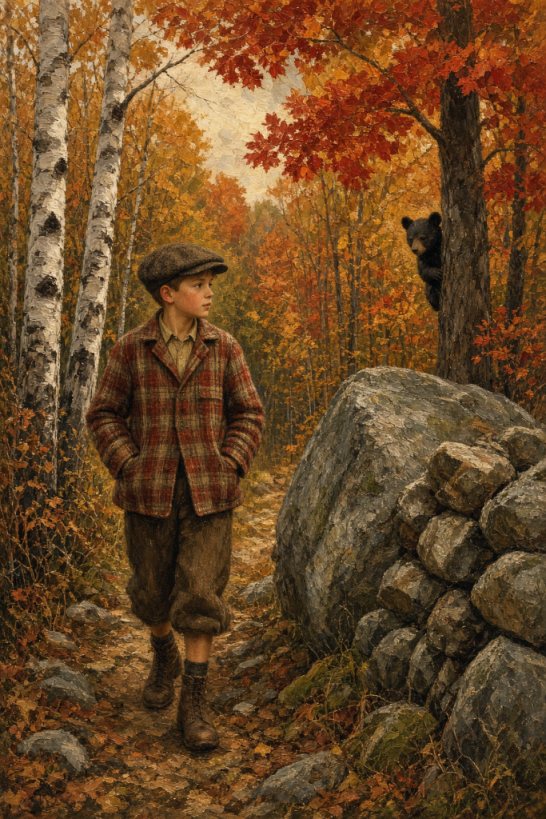
Fall woods -
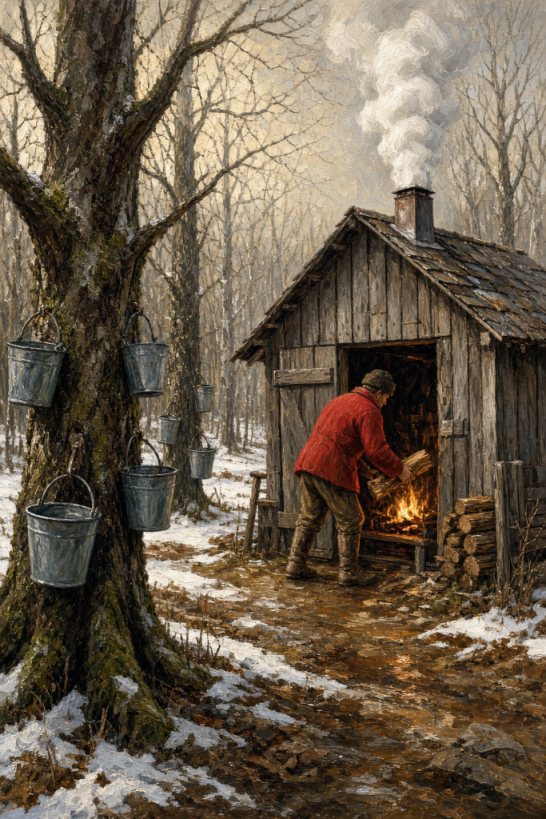
Sugar shack -
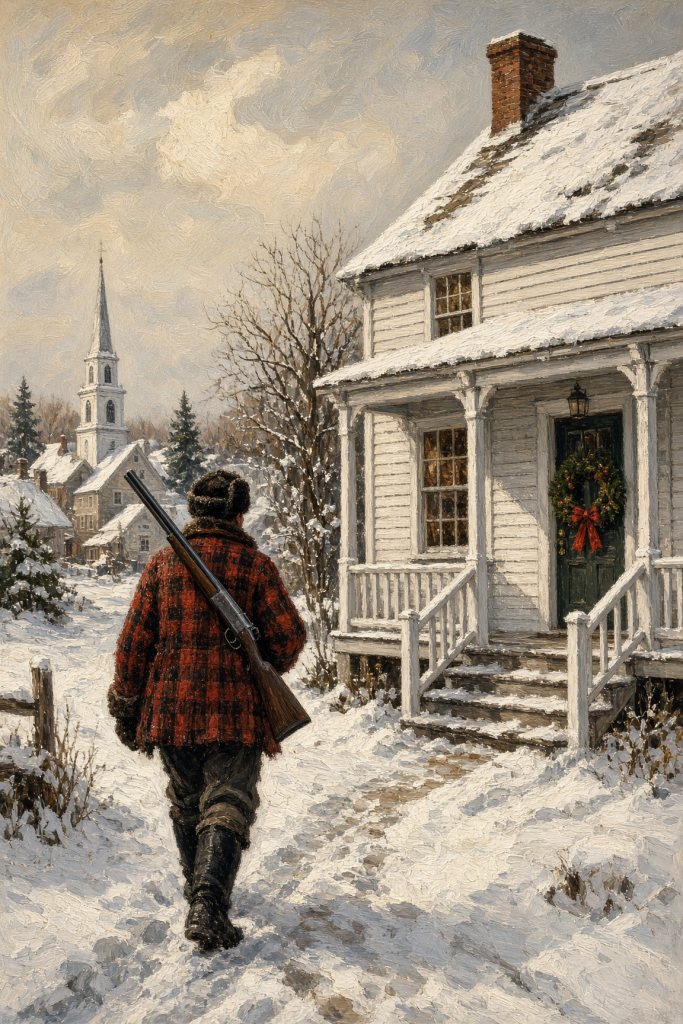
Winter village -
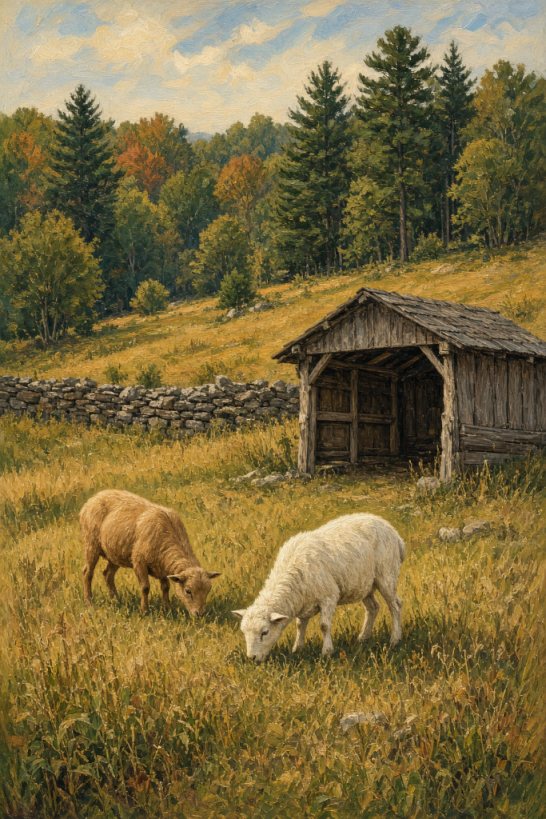
Sheep pasture


Original art made for this site.
What it looks like

Outdoors
-
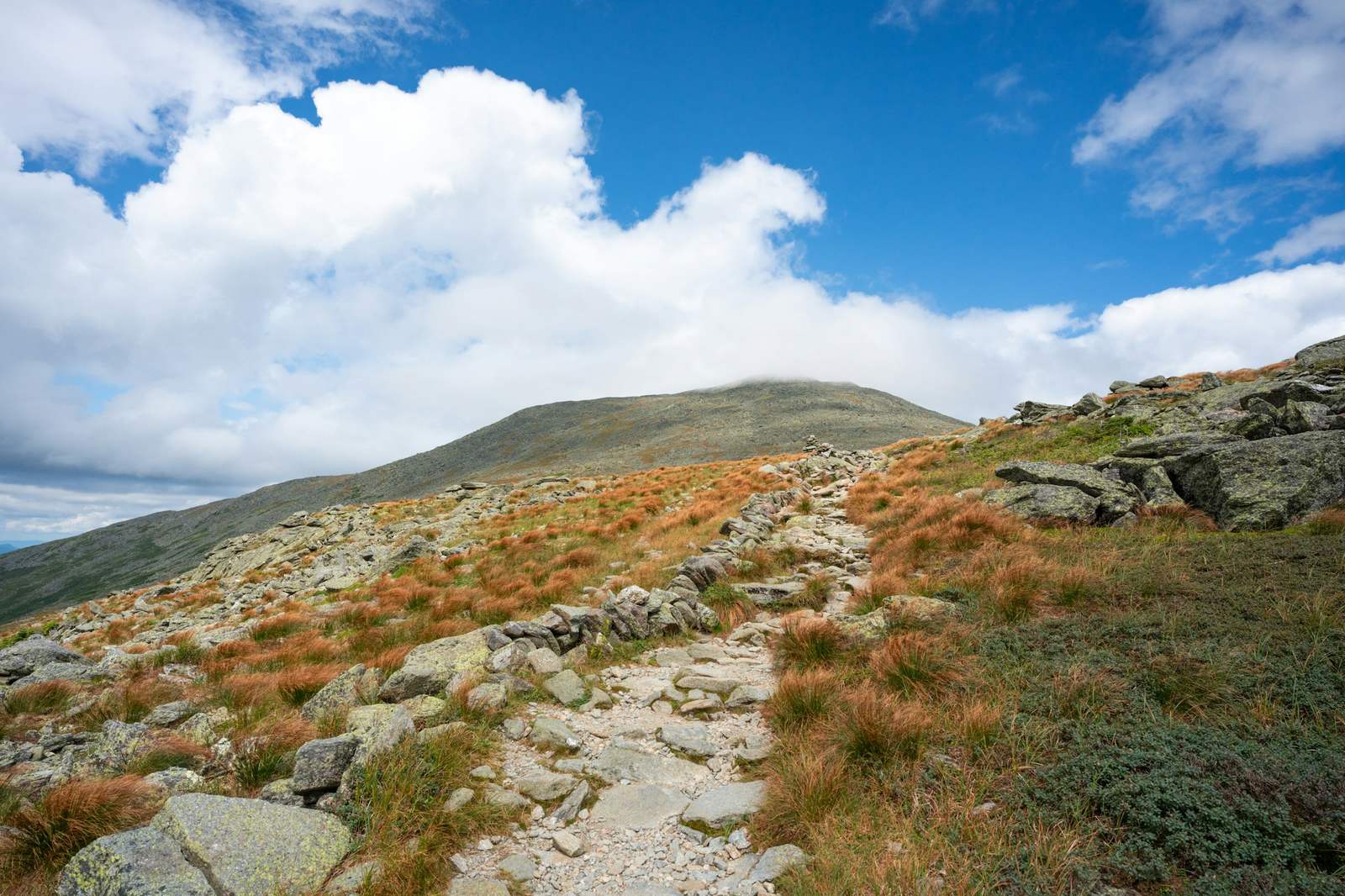
Mount Washington -
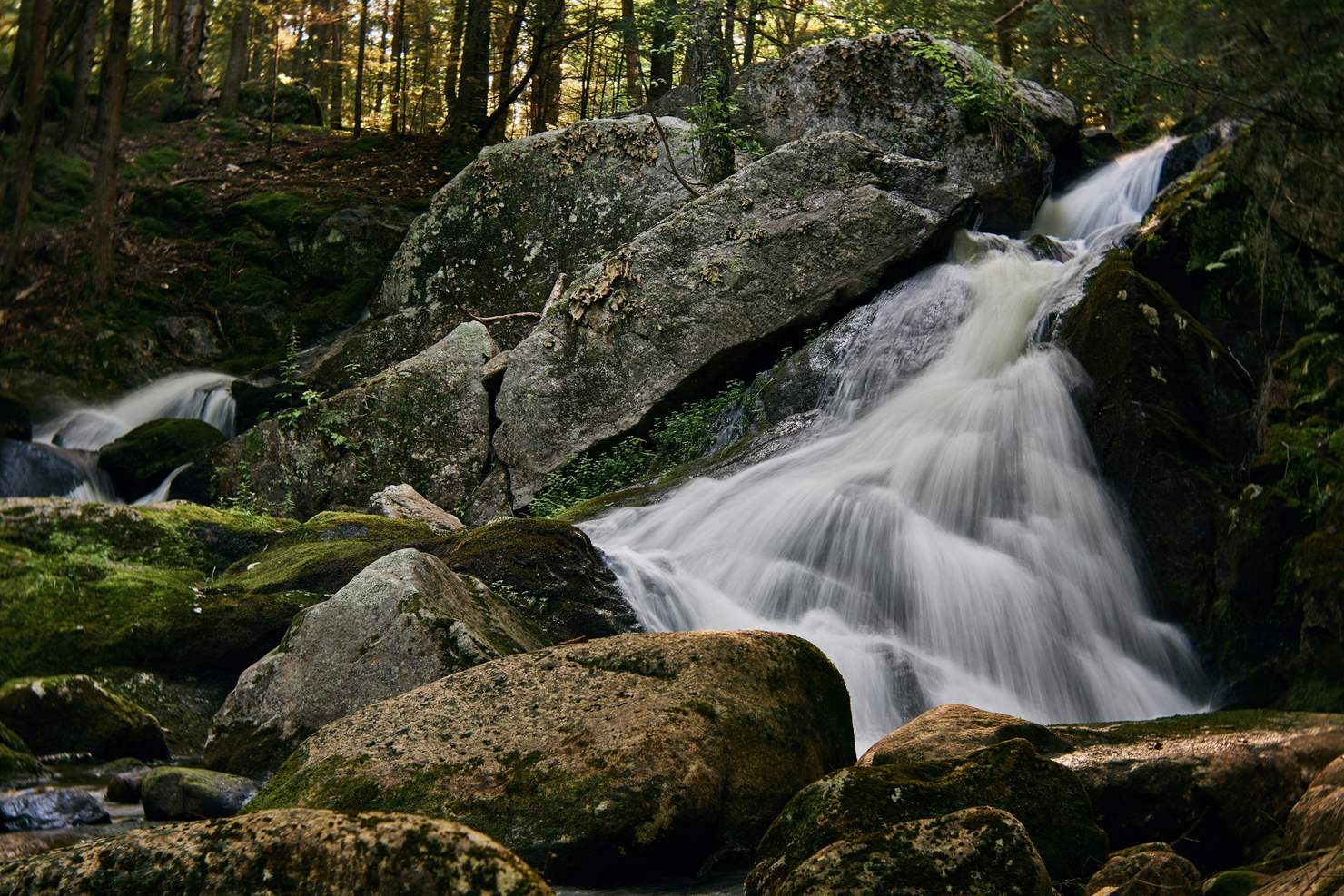
White Mountain waterfall -

Cog Railway -
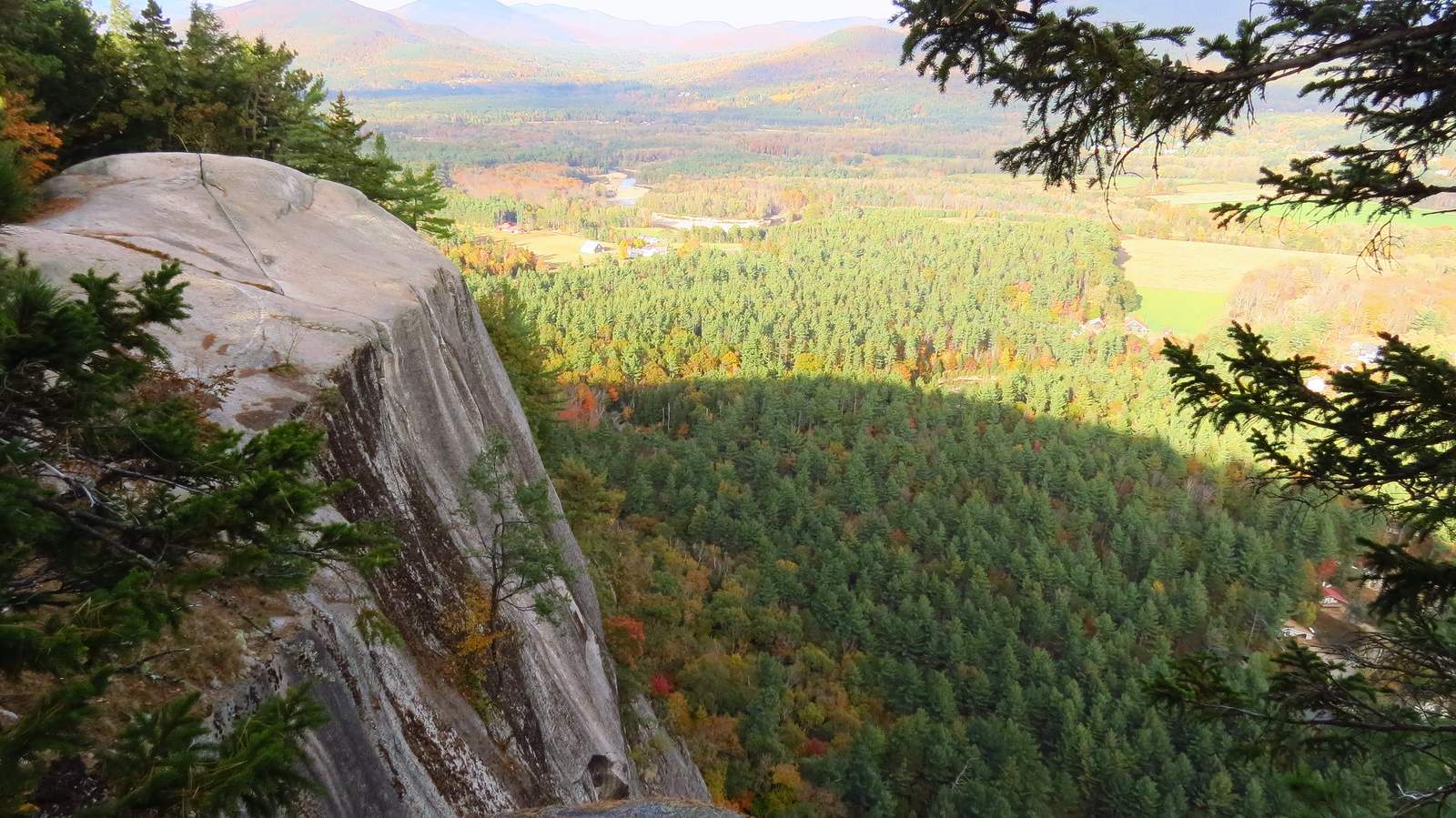
Cathedral Ledge -
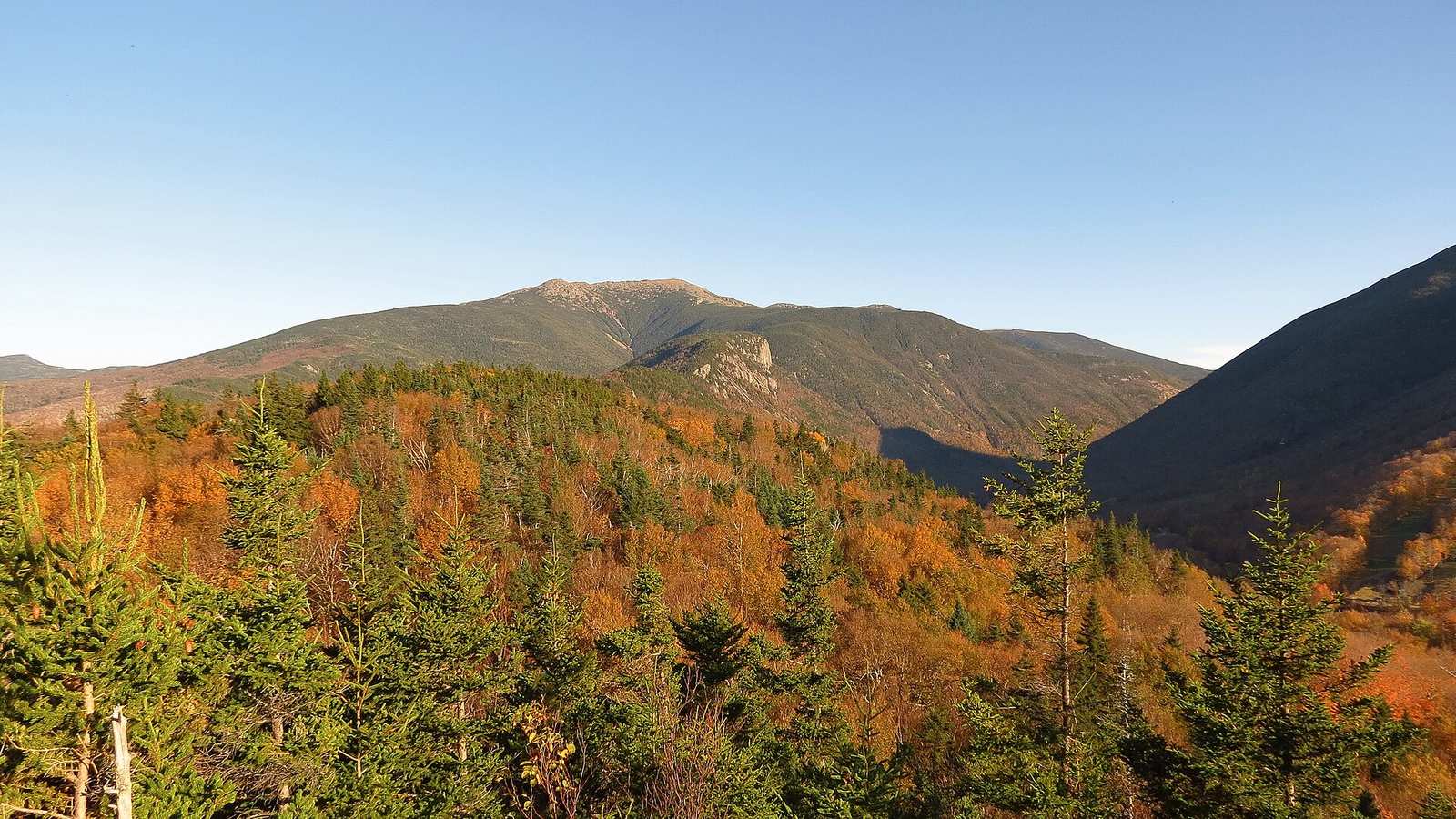
Franconia Notch


Cities
-
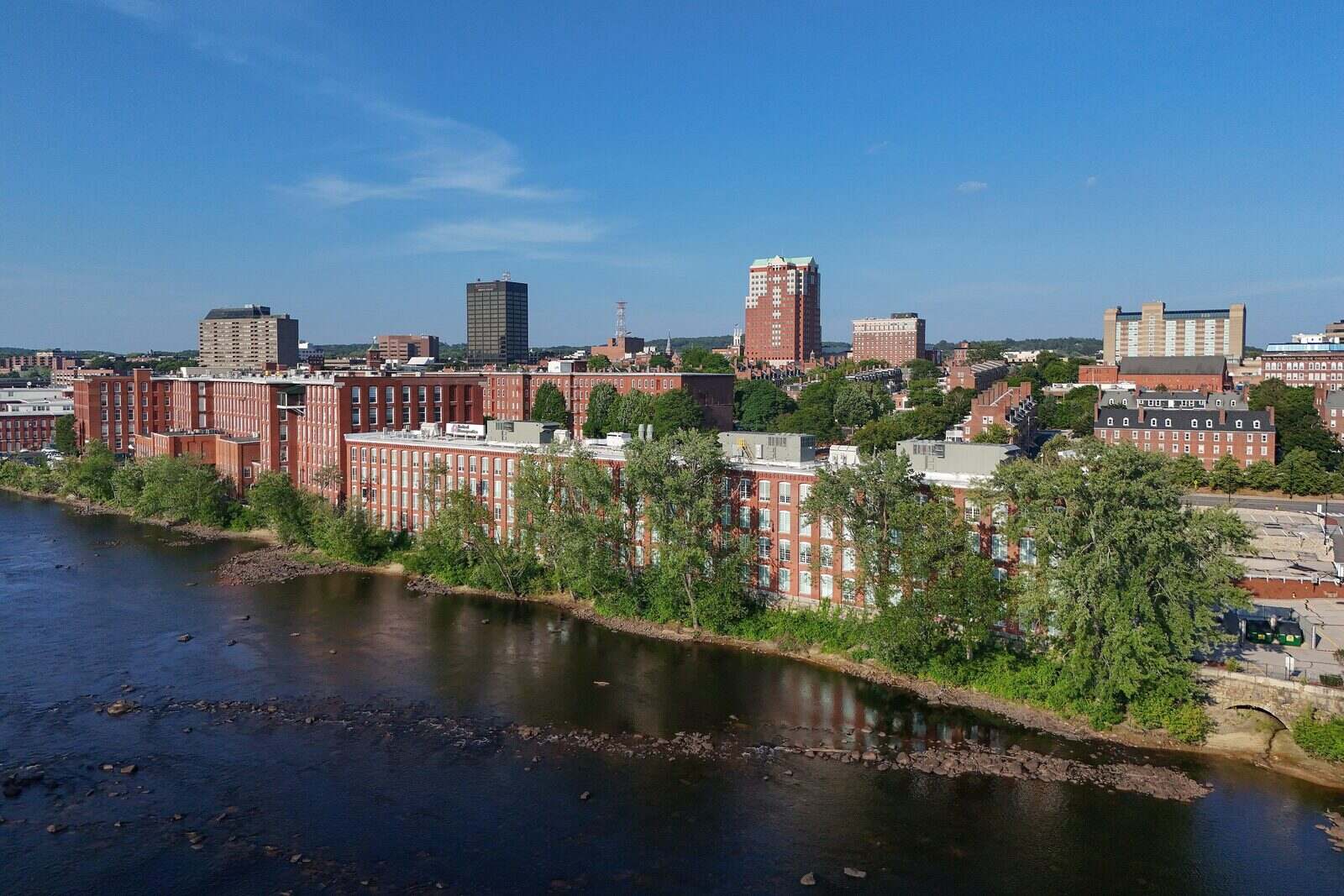
Manchester -
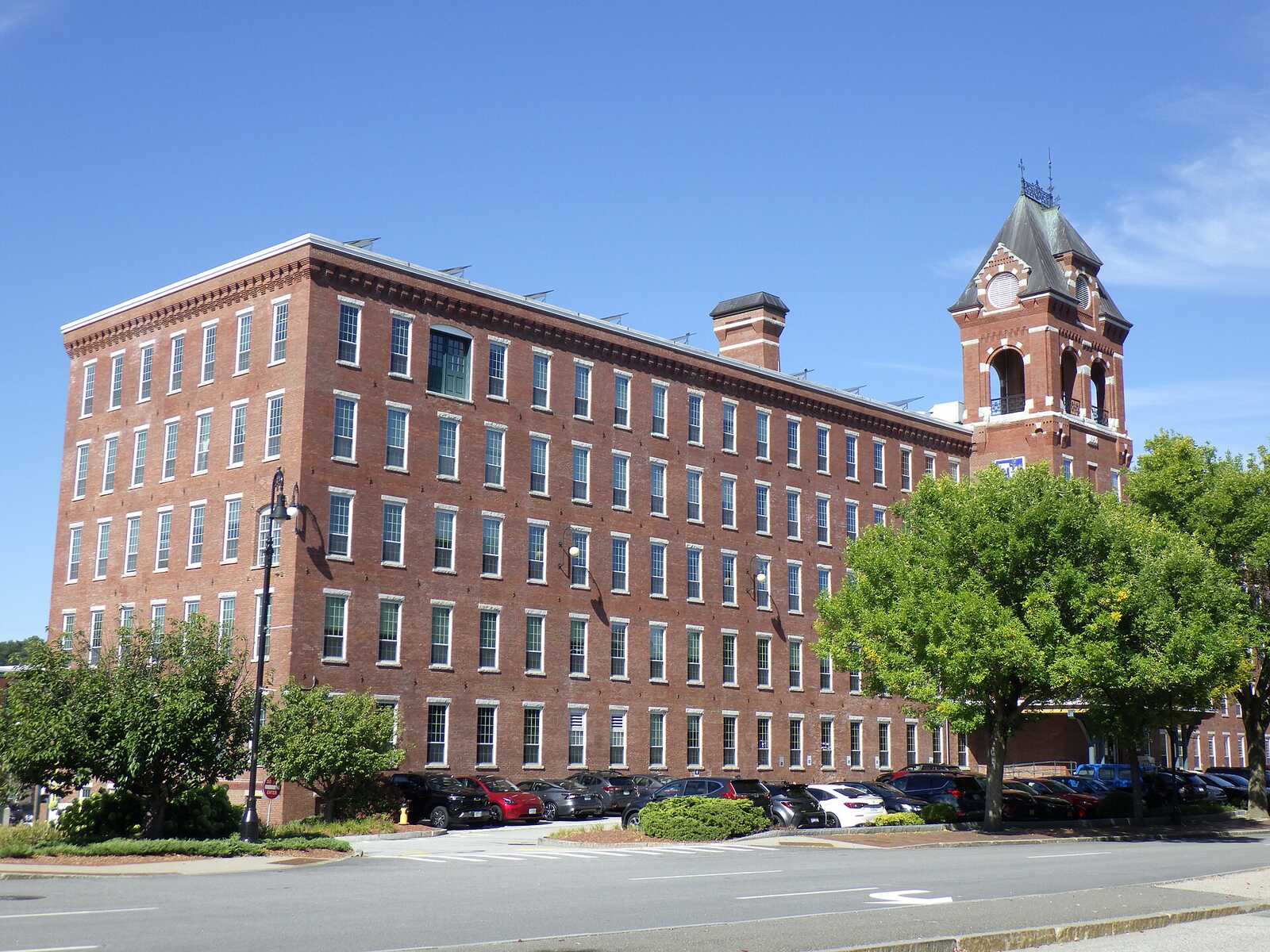
Amoskeag mills -
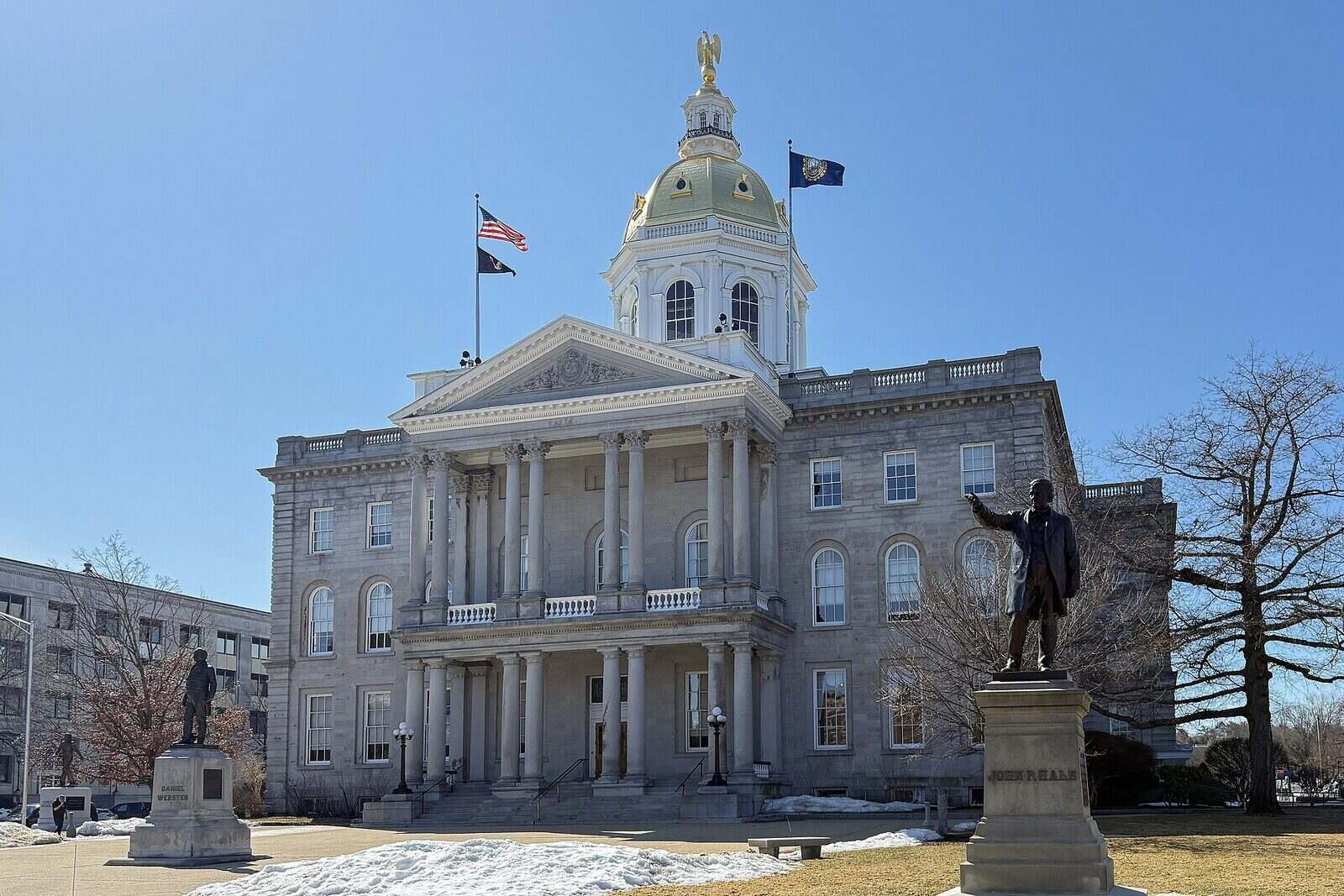
Concord State House -
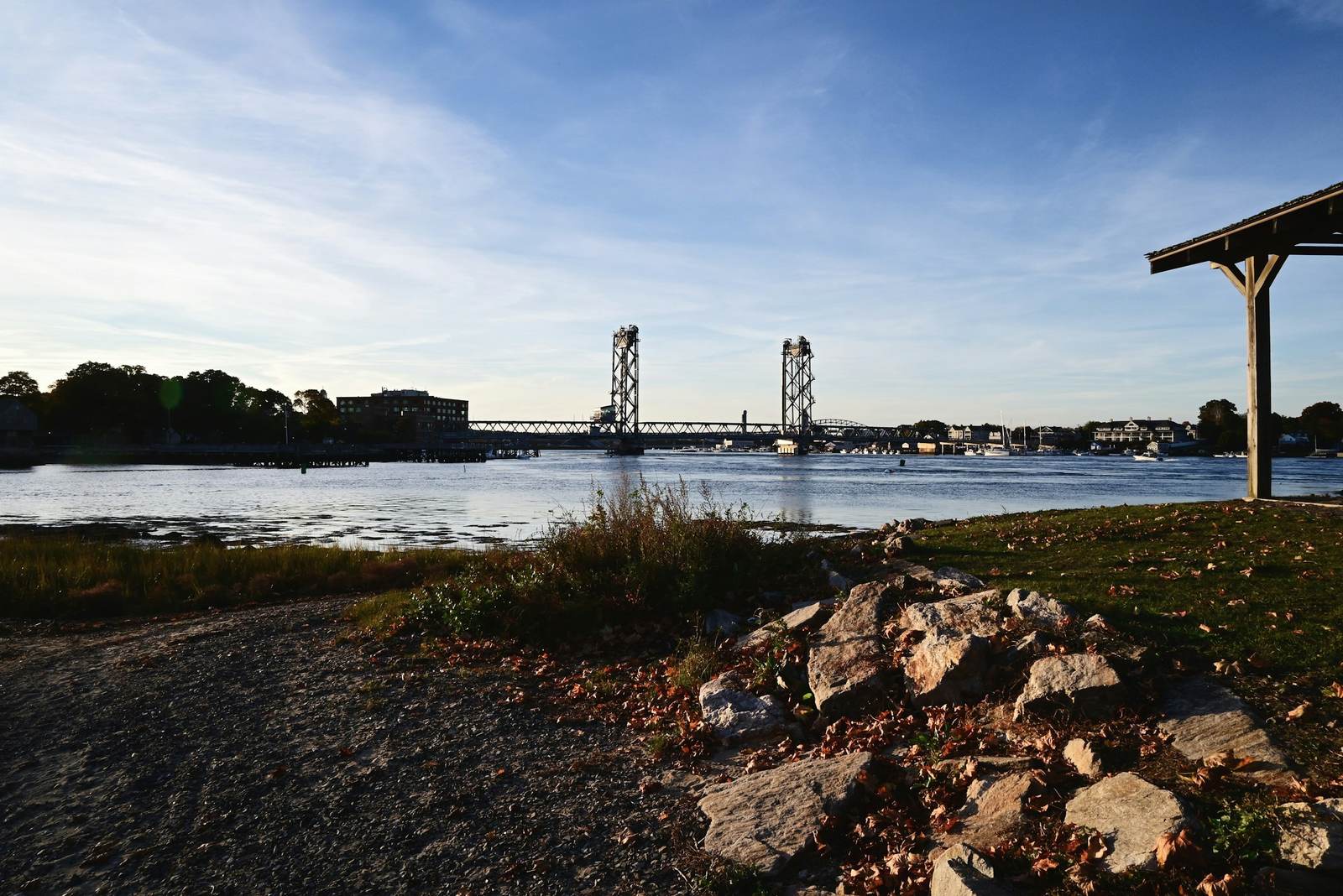
Portsmouth -
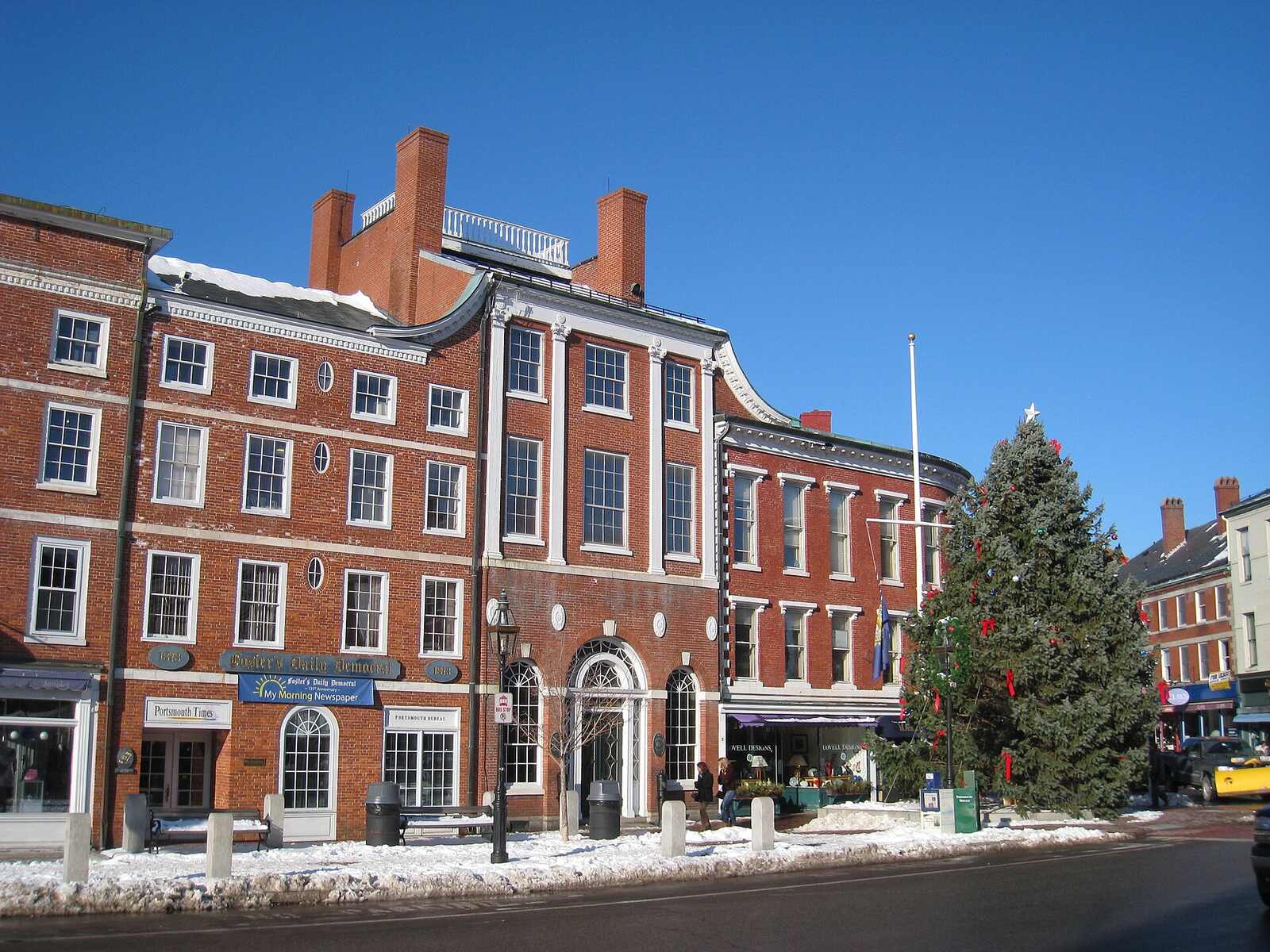
Portsmouth Market Square


Coast
-
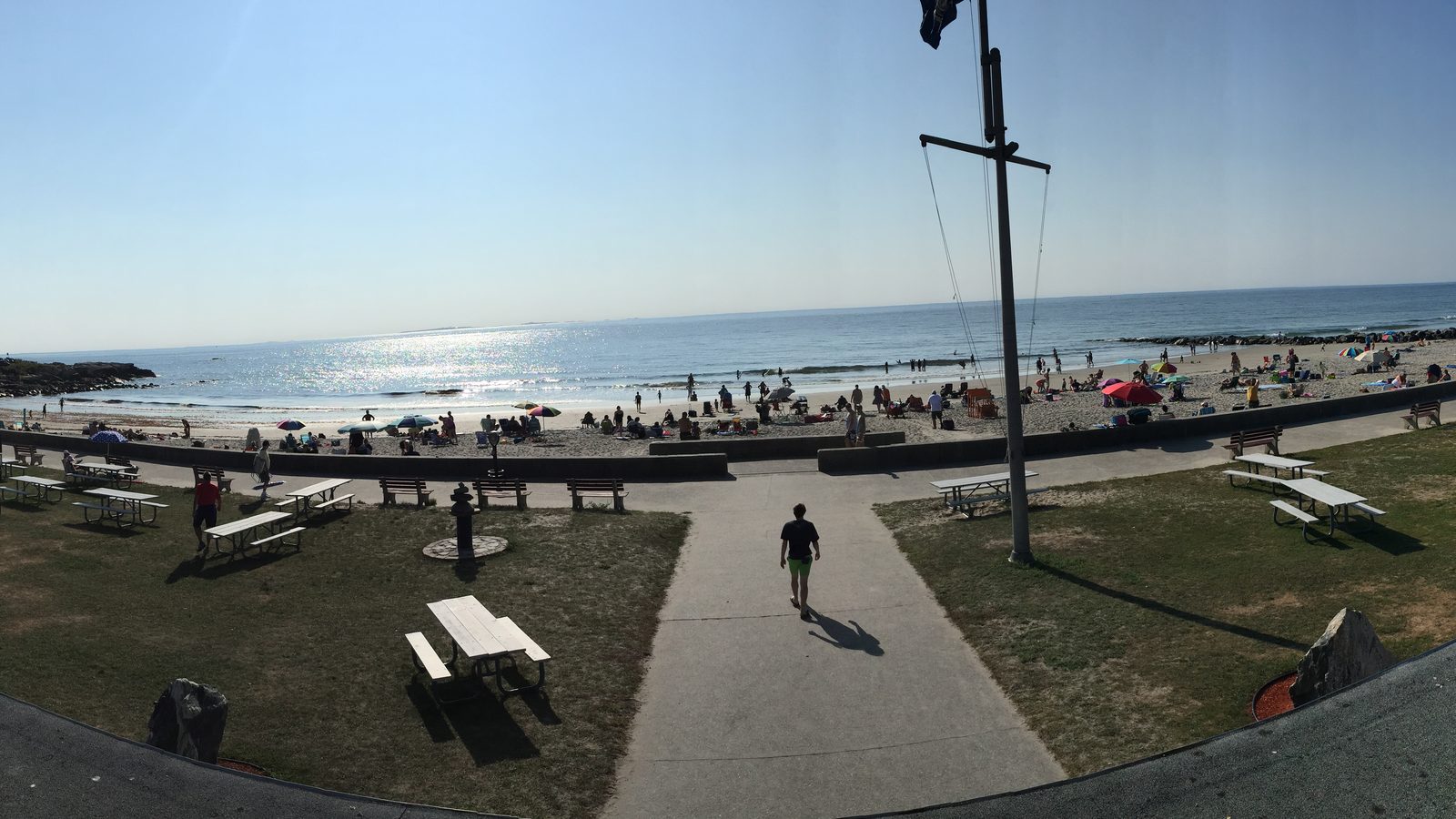
Wallis Sands -
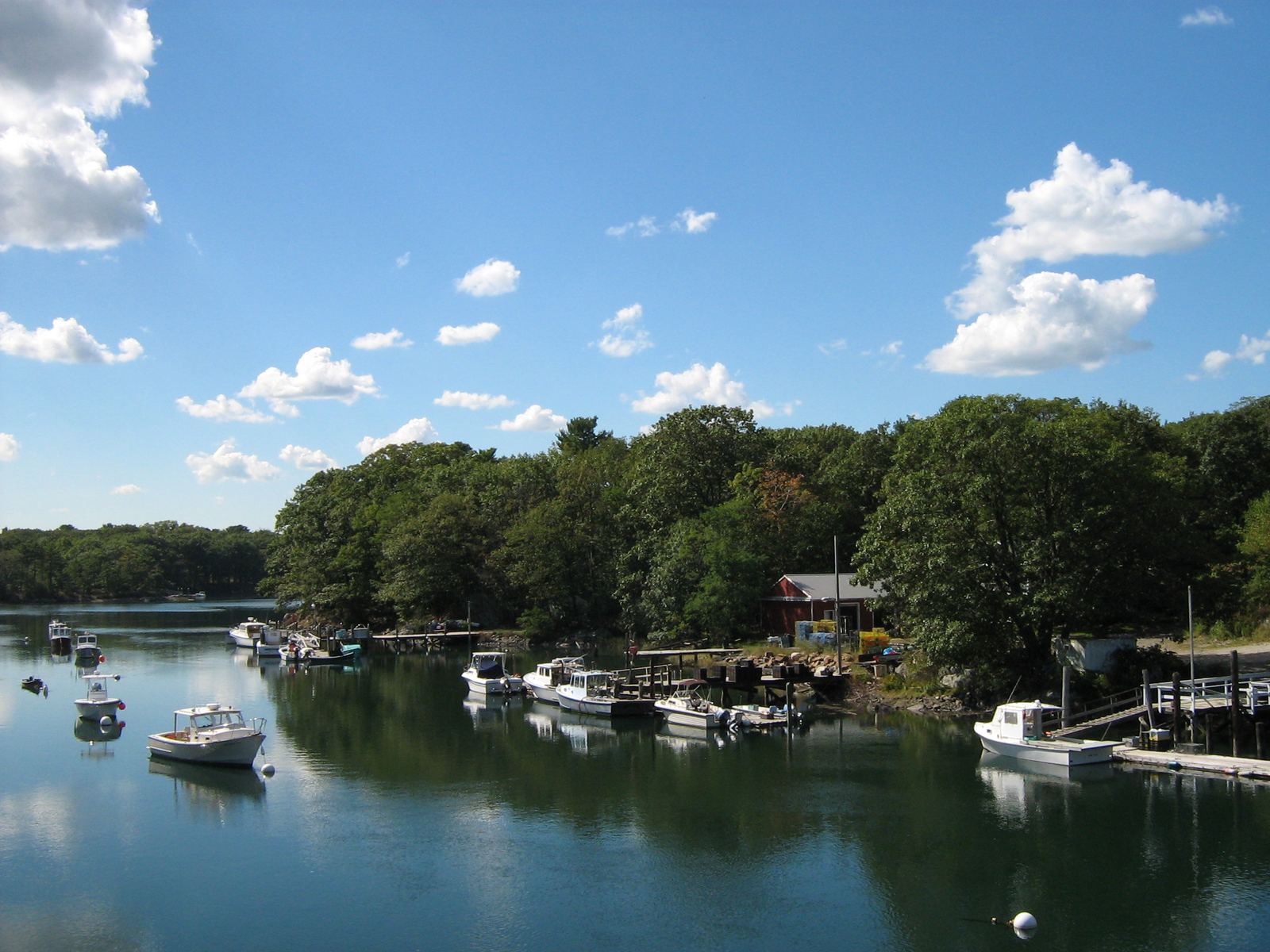
Sagamore Creek -
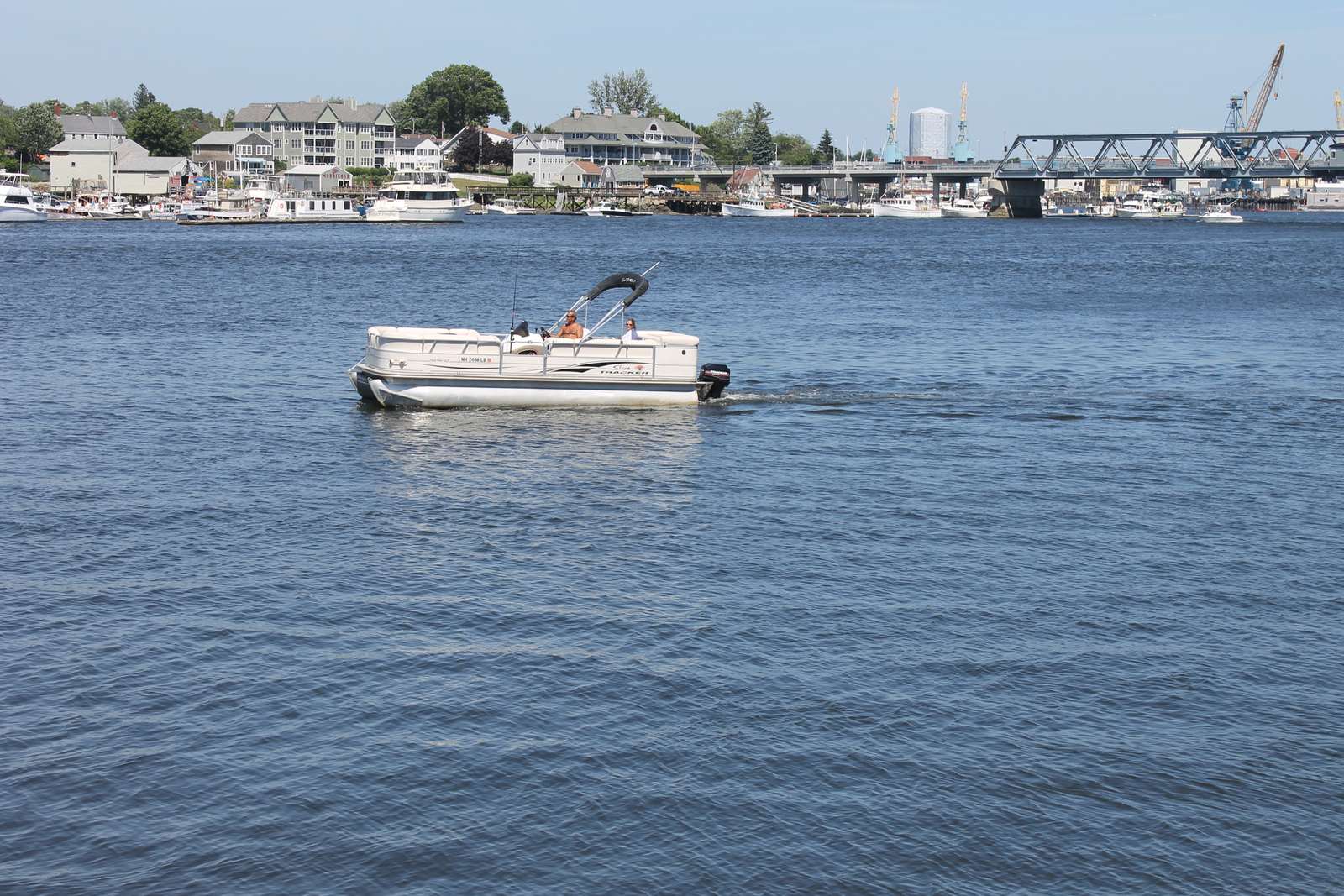
Portsmouth waterfront -
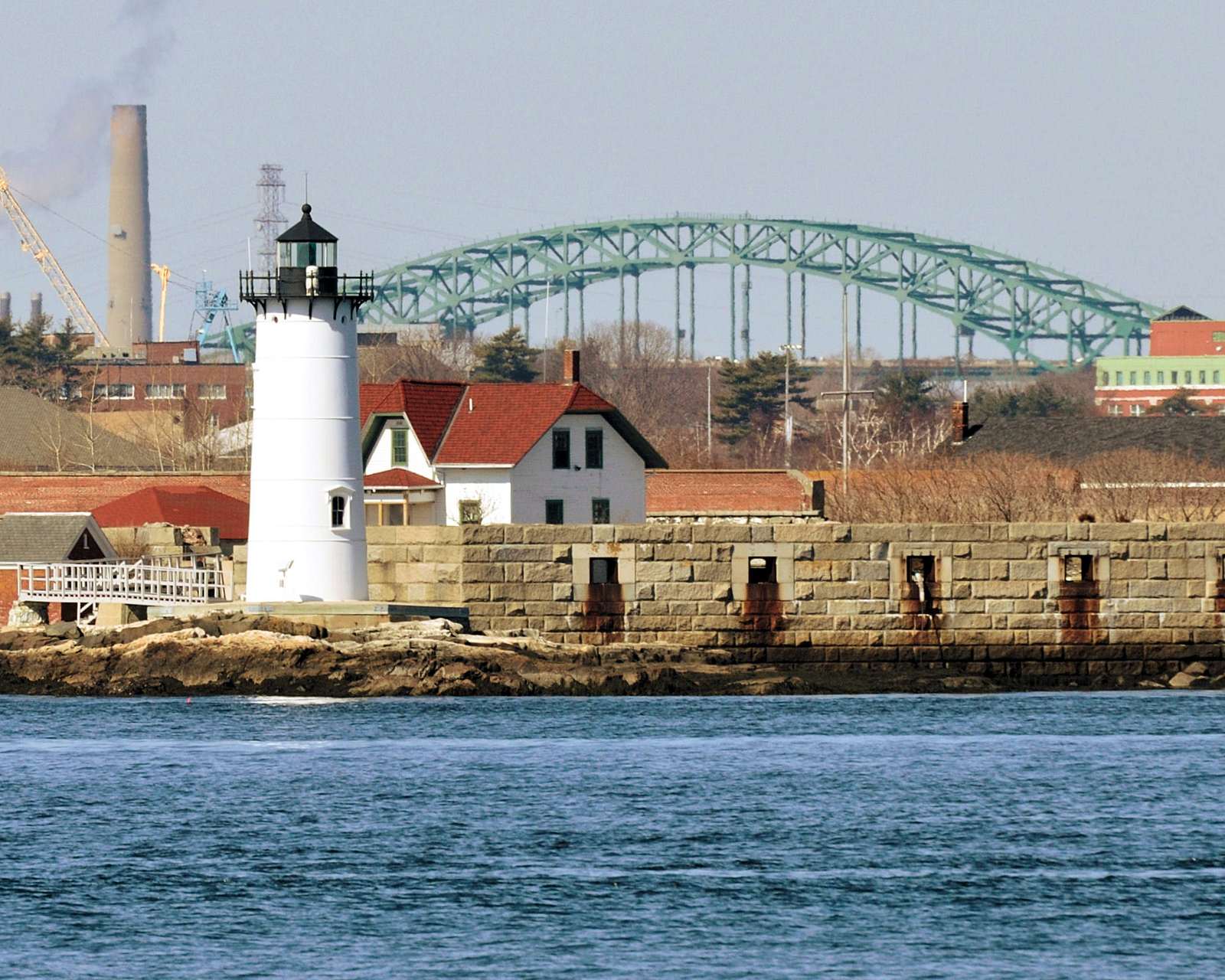
Portsmouth Harbor Light -
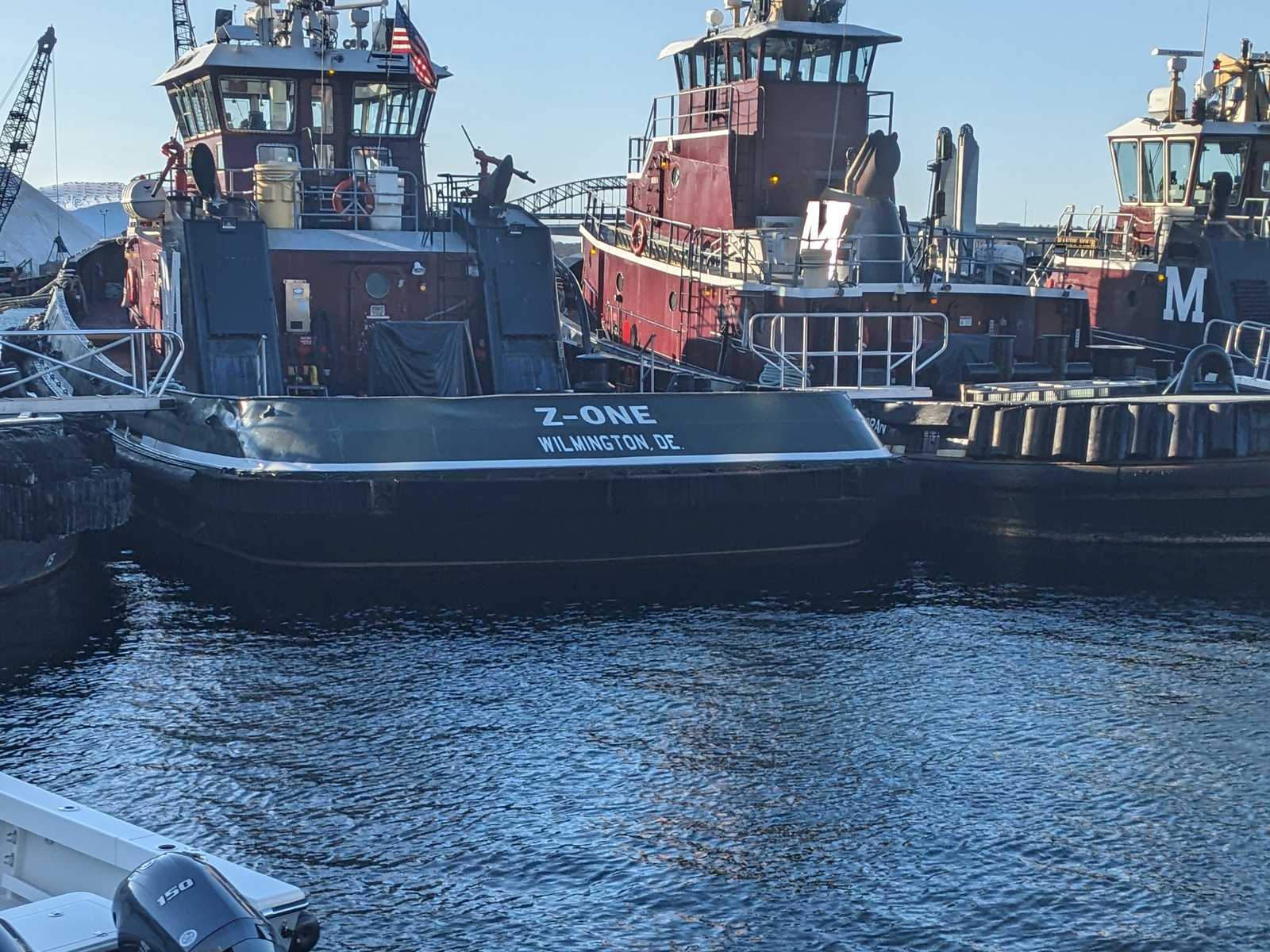
Portsmouth harbor


Life
-

Hampton Beach -
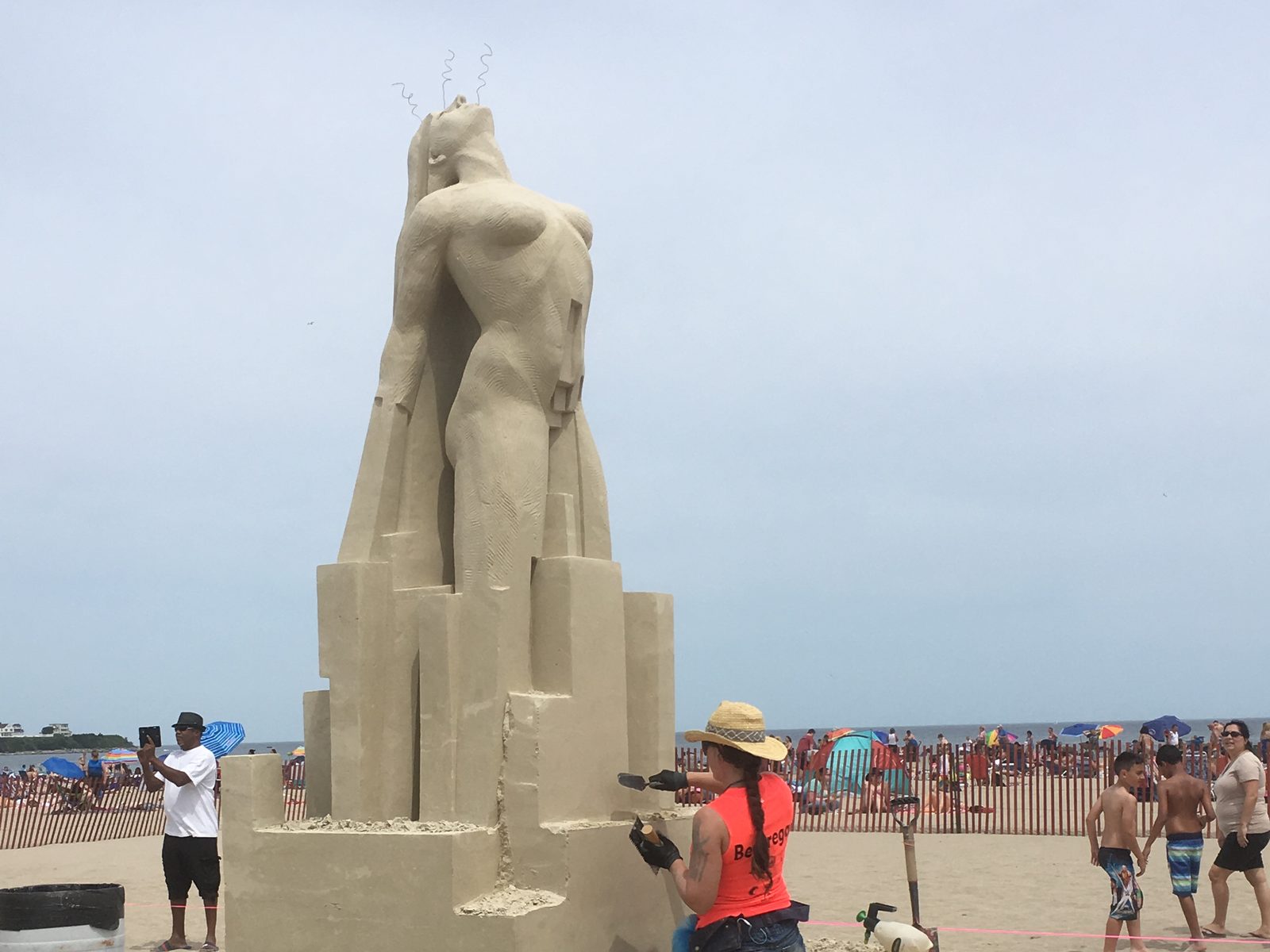
Hampton Beach sand classic -
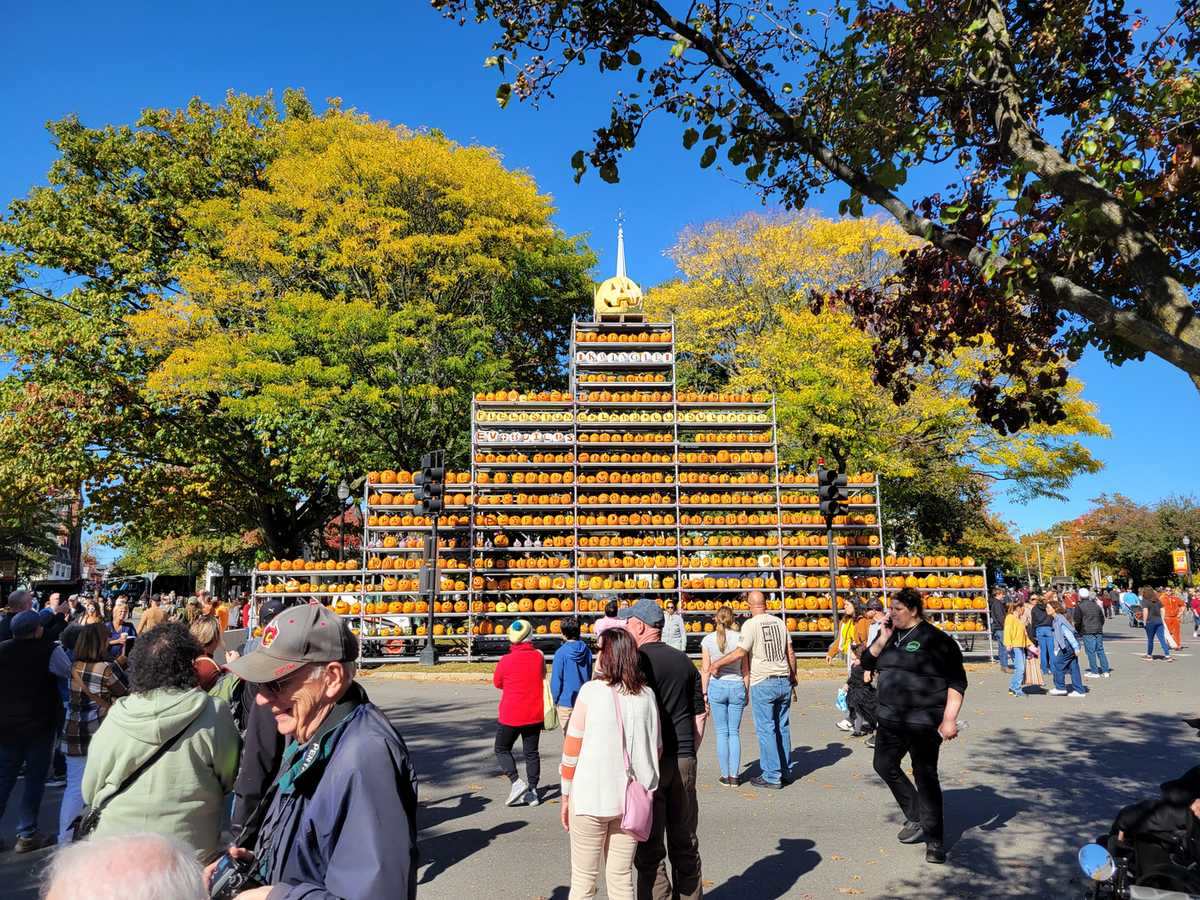
Keene Pumpkin Festival


Work
-
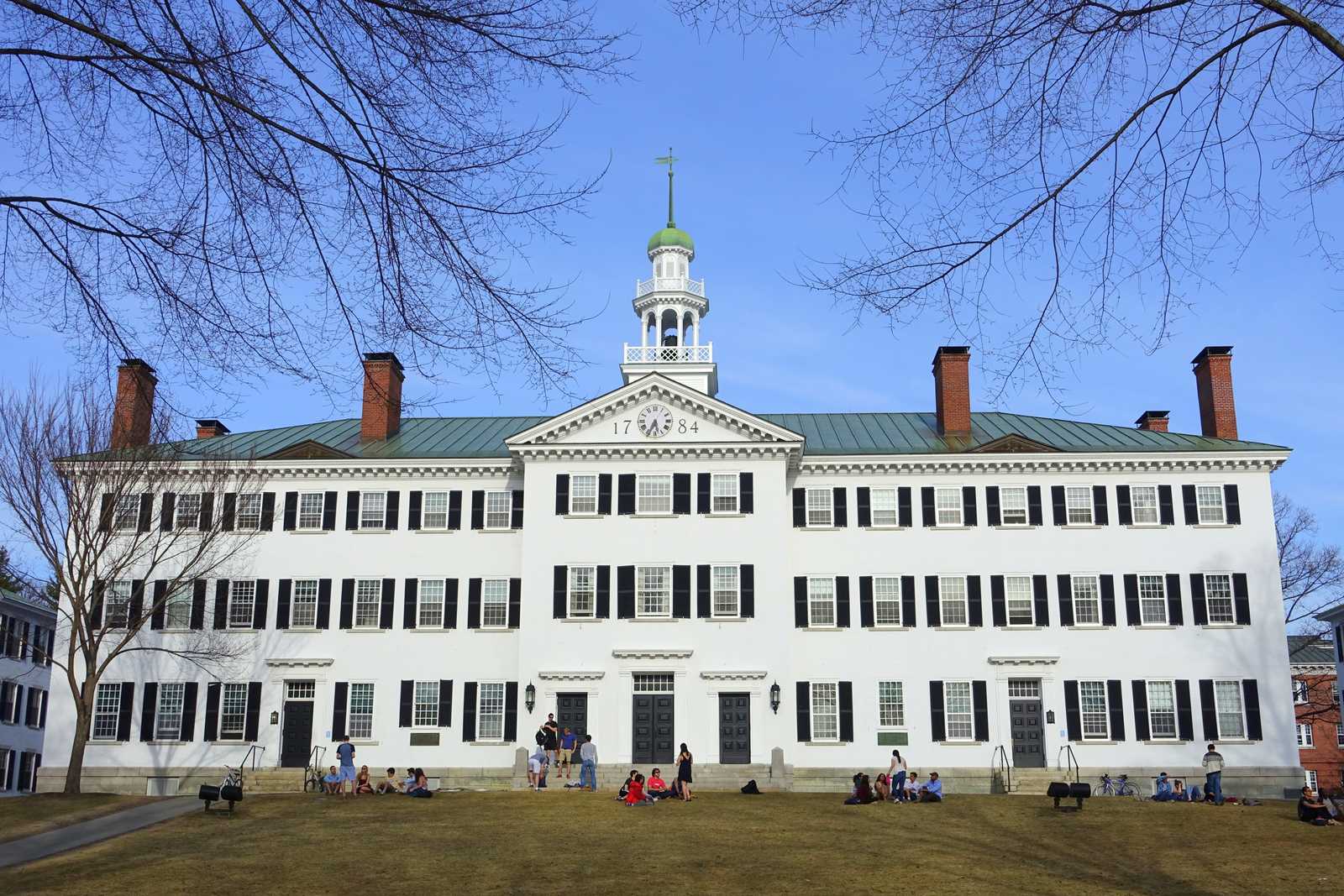
Dartmouth College -
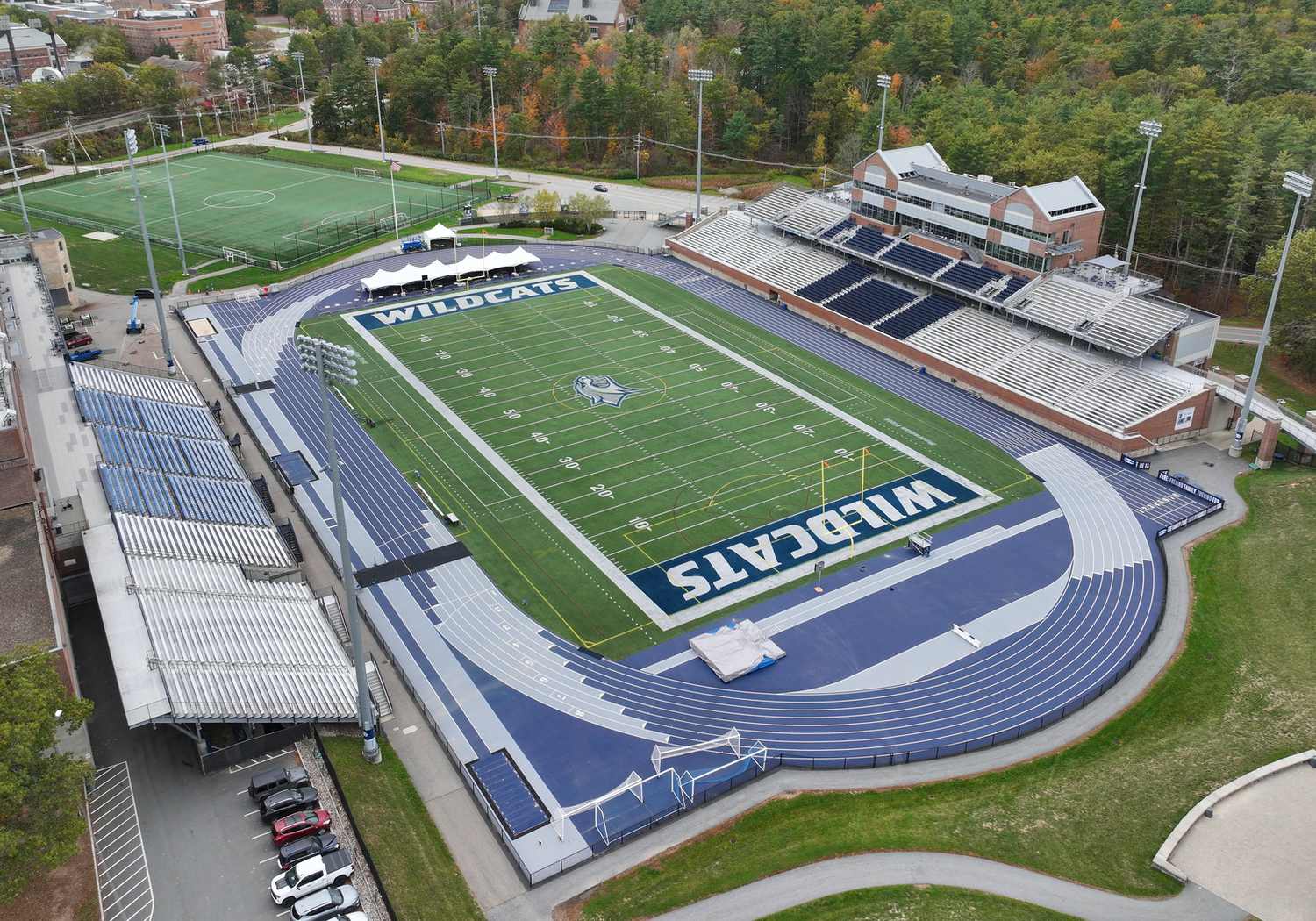
UNH


Roads
-
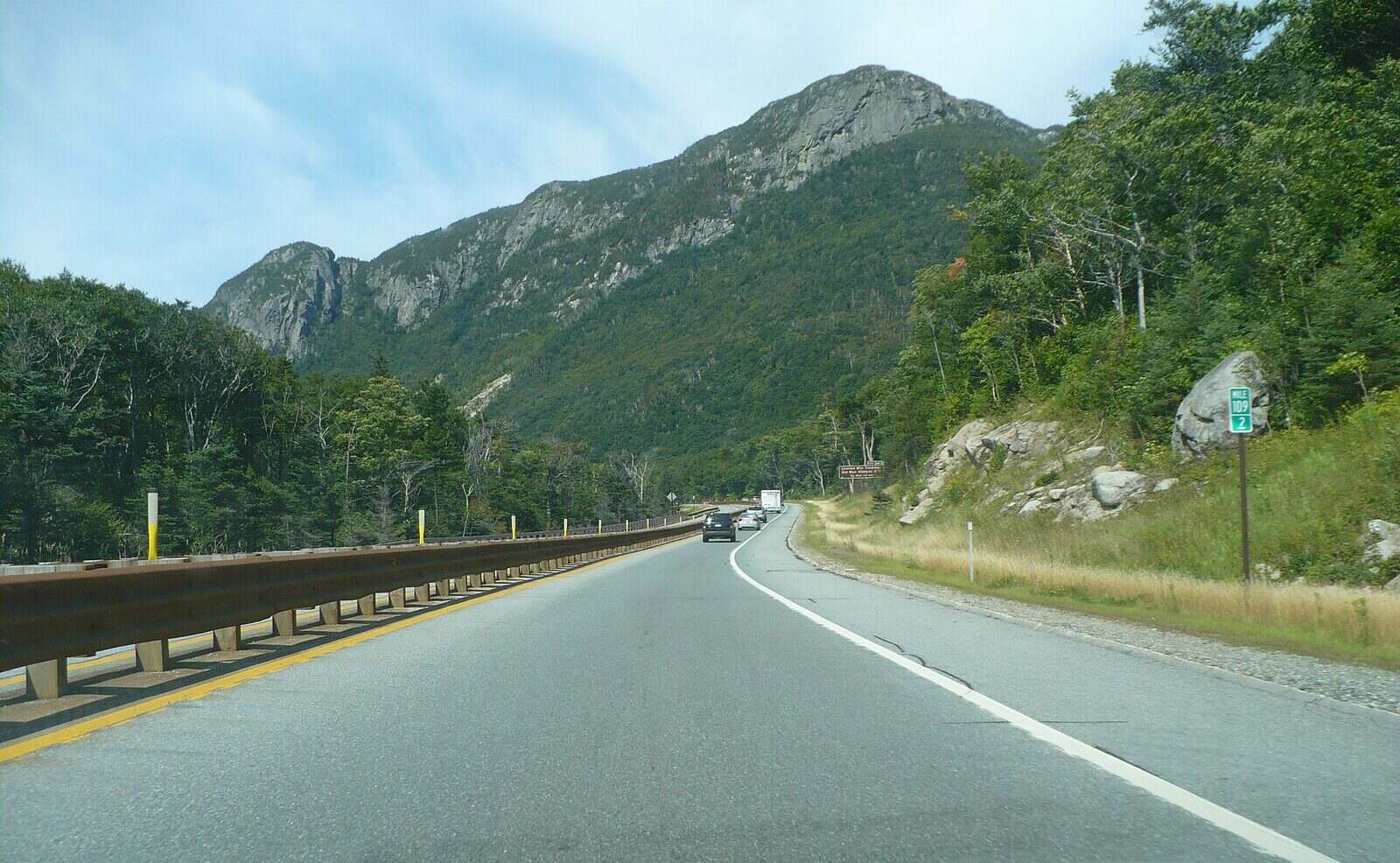
Franconia Notch Parkway -
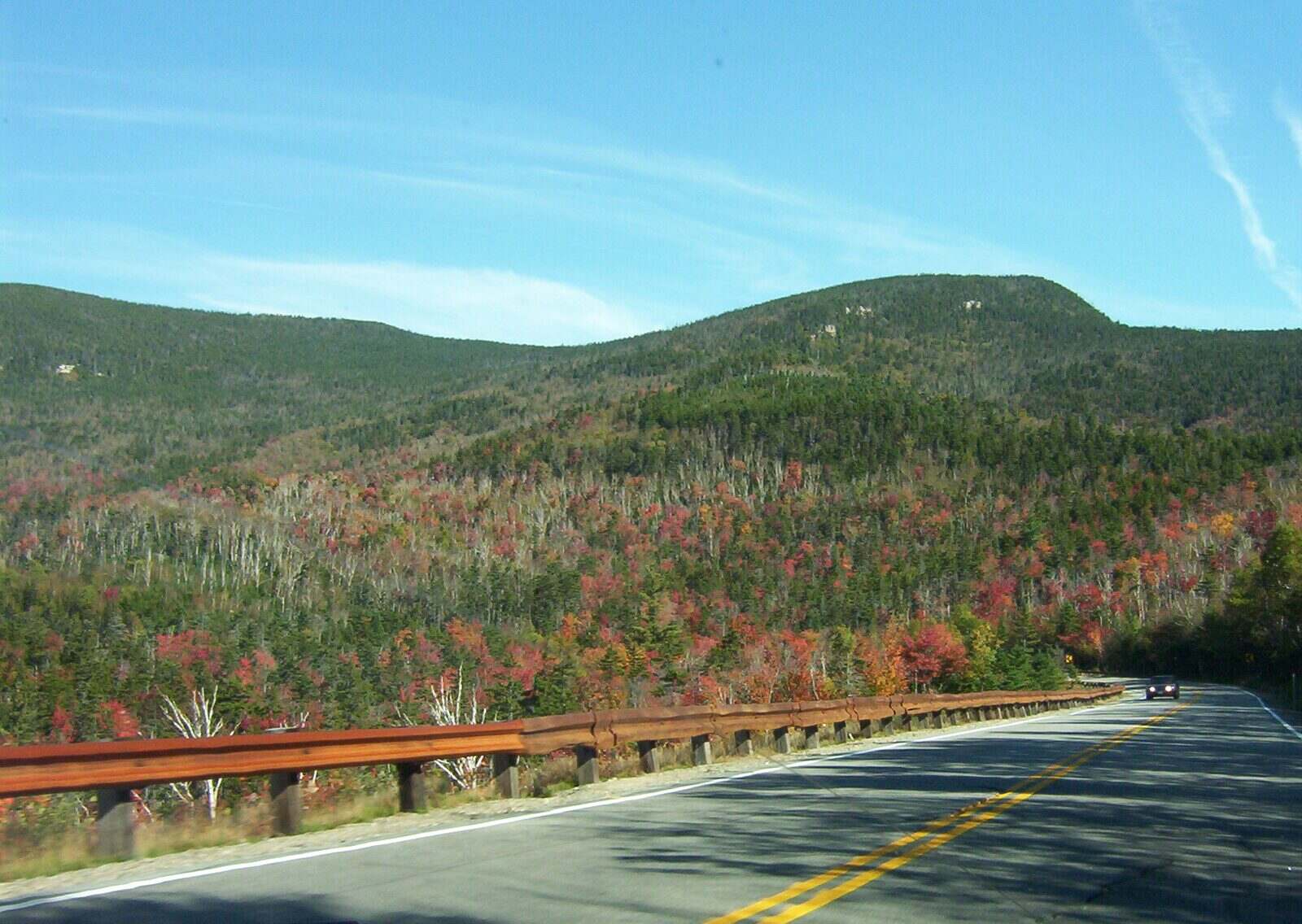
Kancamagus Highway -
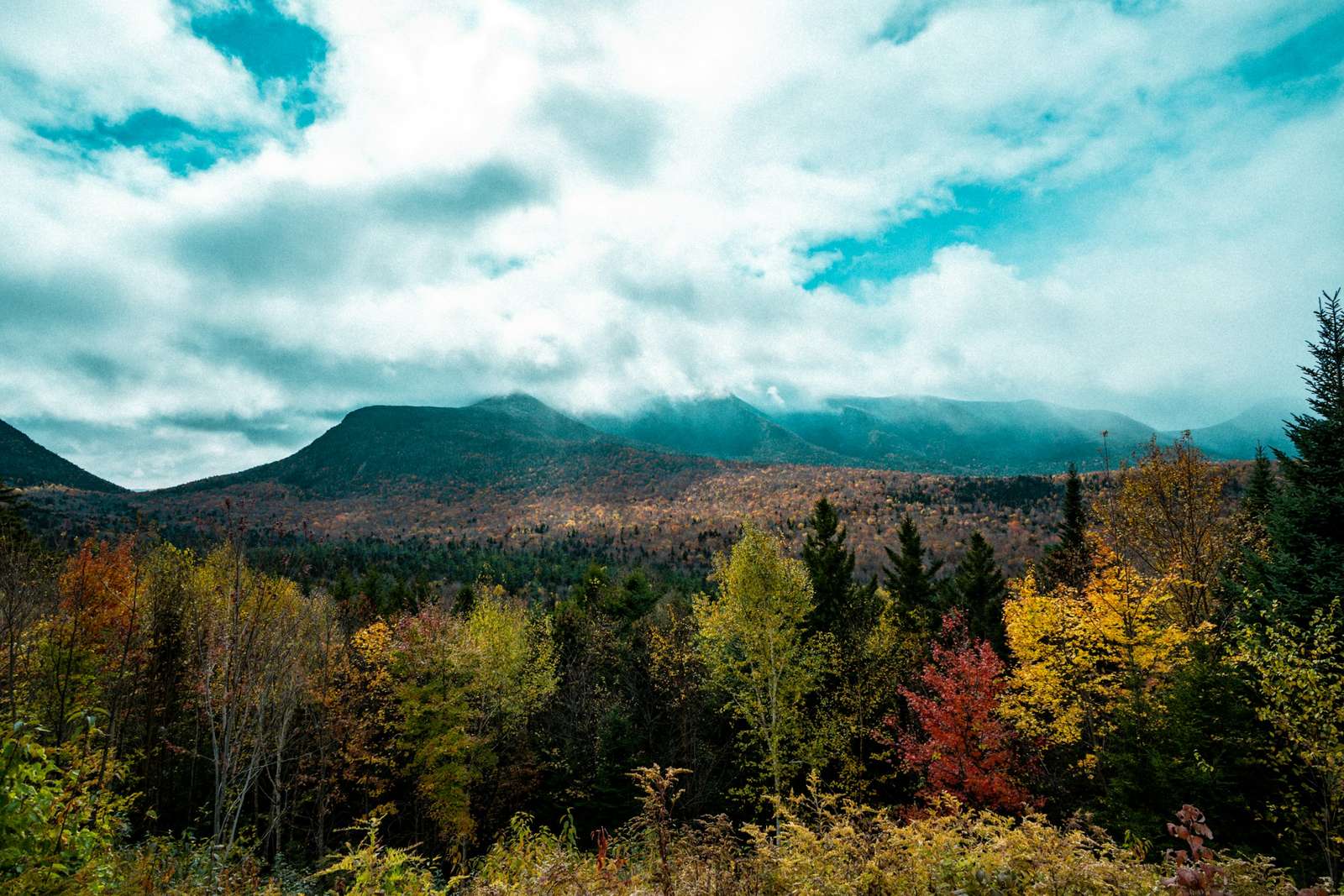
Kancamagus -
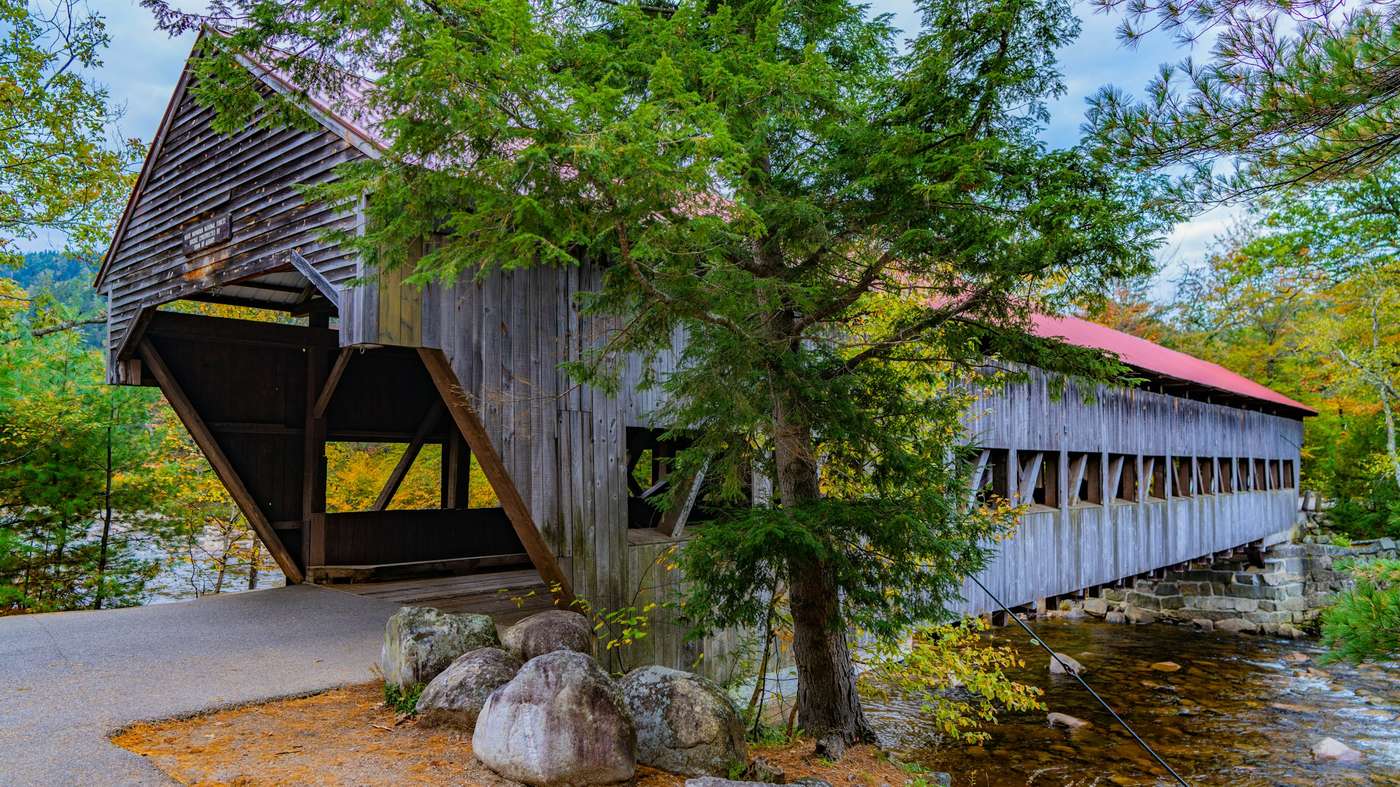
Albany Covered Bridge


Photos: Andrew Keymaster, Ryan Arnst, Cate Bligh, Lex Wu, Andrew Spencer, Rich Martello, Bryan Dickerson / Unsplash. Robert Linsdell, InAweofGod'sCreation, Scott Ray (CC BY 2.0). Billy Hathorn (CC BY 3.0). Quintin Soloviev, Bmzuckerman, Edrgeorge, Artaxerxes, John Phelan (CC BY 4.0). Daderot, SayCheeeeeese, Matthew Teal, MarkBuckawicki, Blervis (public domain).